Sign up for free

ARC TREE PATH
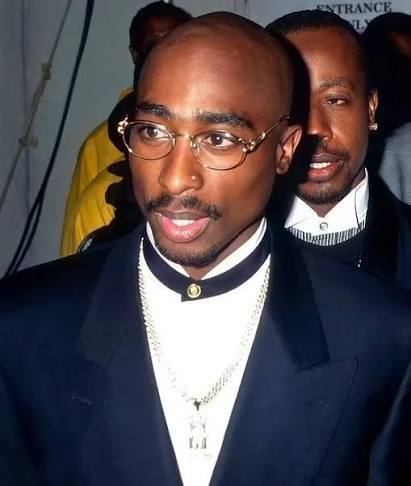
TUPAC
SHAKUR
Voice of a Generation
Artist · Poet · Revolutionary · Cultural Icon
More than a rapper, Tupac Shakur became one of the most influential cultural figures of the modern era. Through music, poetry, film, activism, and social commentary, he gave voice to the hopes, struggles, and aspirations of millions. Decades after his passing, his words continue to inspire new generations around the world.
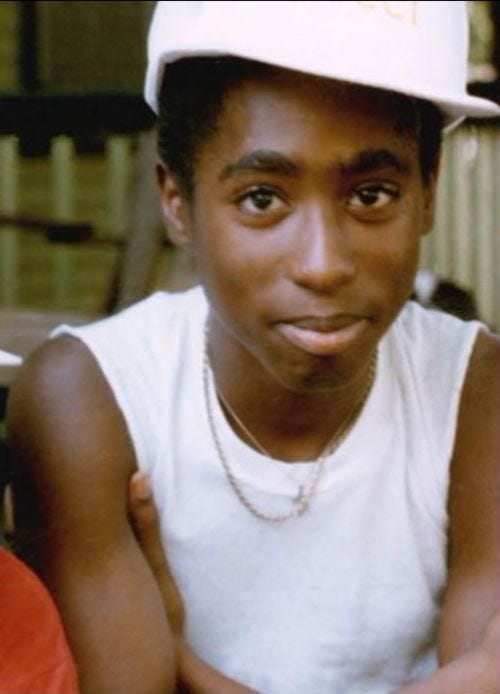
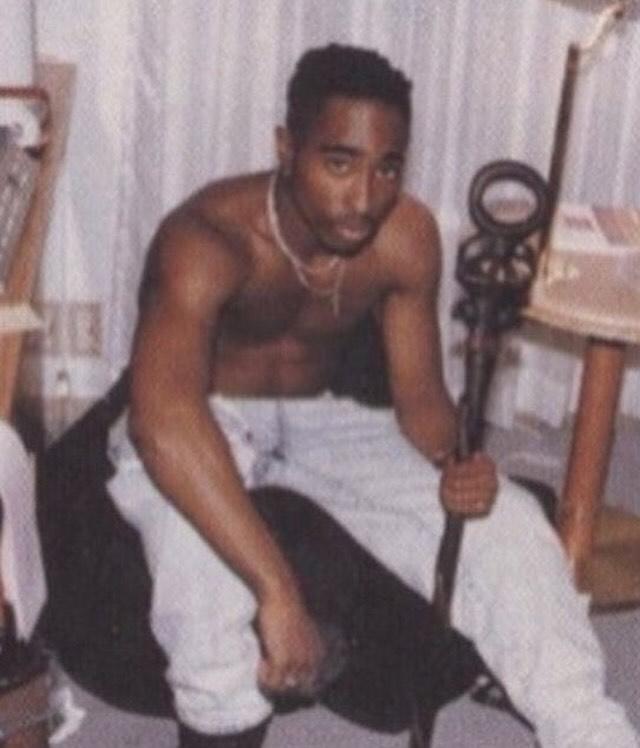
Young Tupac
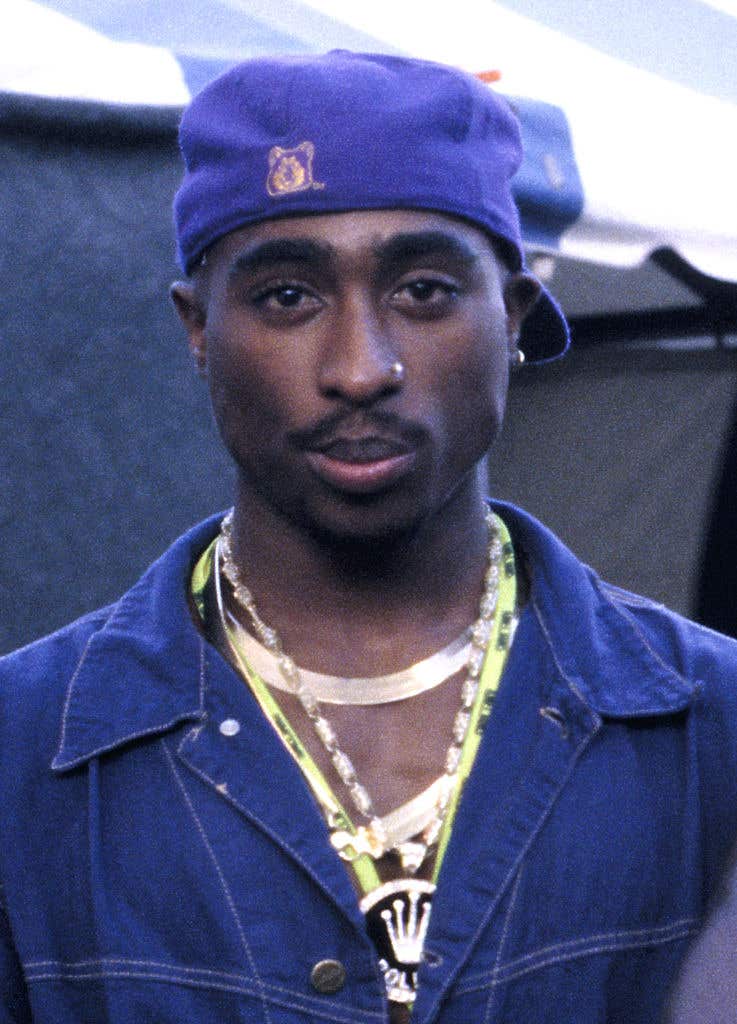
Early Years
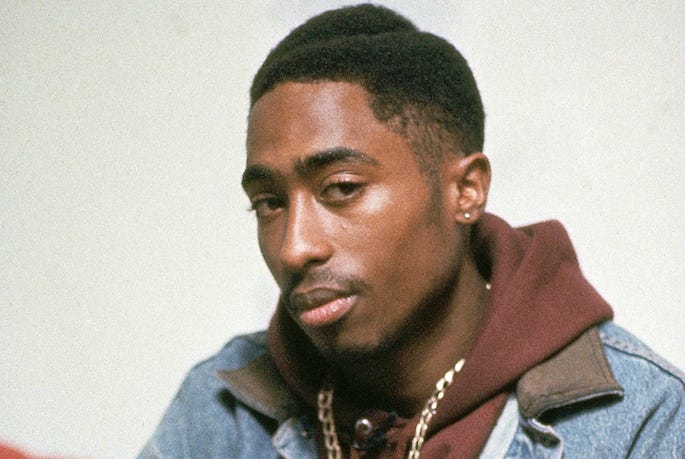
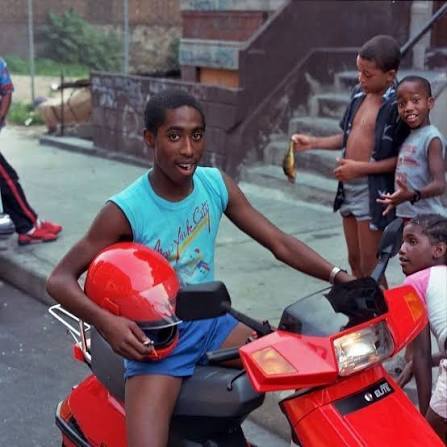
On the Block
Coming Up
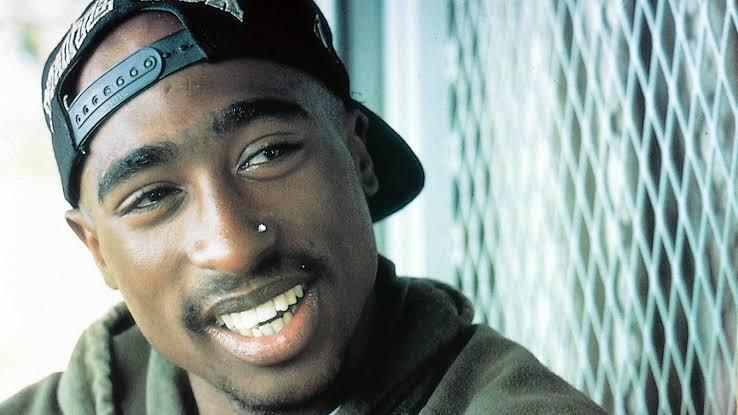
The Artist
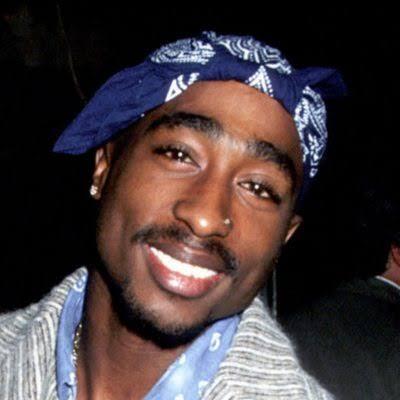
Icon
Legacy
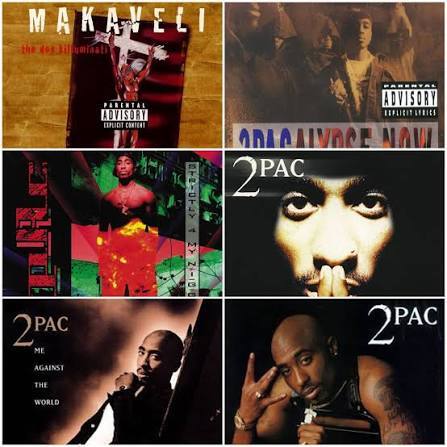
Discography
Tupac: Resurrection
The definitive cinematic portrait of Tupac Shakur's life — narrated entirely in his own words, drawn from interviews, journals, and personal recordings. This 2003 documentary is widely considered the most complete and authentic account of his journey from Harlem to global icon, offering unparalleled insight into his intellect, his art, and his vision.
A Life in Time
Biography
Family Background
Born to Afeni Shakur — a Black Panther Party activist who was pregnant with Tupac while on trial for conspiracy charges. His name, Tupac Amaru, means "shining serpent" in Quechua. He was raised amid poverty, movement politics, and the raw urgency of survival in urban America.
Artistic Development
At the Baltimore School for the Arts, Tupac studied Shakespeare, ballet, and acting alongside music. His teachers recognized a rare intellect. He carried that formal artistic education into every album, film role, and poem he ever produced.
Poetry & Writing
Tupac wrote poetry throughout his life. "The Rose That Grew from Concrete," his posthumously published collection, revealed a lyrical interiority that surprised many who knew only his public persona — tender, searching, and spiritually alive.
Acting Career
His performances in Juice, Poetic Justice, and Above the Rim earned critical praise. Directors and co-stars consistently described his instinctive emotional intelligence on screen. He was preparing for multiple film roles at the time of his death.
Social Commentary
Songs like "Brenda's Got a Baby," "Keep Ya Head Up," and "Dear Mama" were sociological portraits as much as musical compositions — documenting the lived realities of poverty, gender, and race with journalistic precision and lyrical grace.
Cultural Impact
He became one of the best-selling music artists of all time, with over 75 million records sold worldwide. Beyond commerce, his influence on language, fashion, social thought, and artistic ambition continues to be felt across generations and continents.
Discography
In His Own Words
Three pivotal interview moments that reveal the evolution of Tupac Shakur — from young visionary to reflective artist confronting his own legacy.
The Young Visionary
In this 1992 MTV interview, Tupac reveals an extraordinary depth of political awareness, empathy, and moral clarity. He speaks about poverty, inequality, and what it means to be young and Black in America — with a precision that belies his age.
Historical Significance
This interview became foundational to understanding Tupac as a thinker first, an artist second. His early interviews are studied in university courses as examples of lucid social commentary from lived experience.
Growing Up & The Road Here
In 1995, Tupac and MTV News correspondent Tabitha Soren walked the Venice boardwalk for an in-depth conversation about his childhood, his mother, his rise to fame, and where he saw himself going.
Historical Significance
This 20-minute MTV interview is one of the most complete personal portraits of Tupac on record — covering family, survival, ambition, and identity with rare openness.
The Last Interview
On August 24, 1996 — just weeks before his death — Tupac sat down with writer Rob Marriot for what was to be a series of interviews for his autobiography. It became his final recorded conversation.
Historical Significance
These final words have become some of the most analyzed in modern cultural history — read not only as biography but as philosophical testimony about art, mortality, and meaning.
Six Ideas That Still Resonate
Academic Recognition
Tupac Shakur's work has moved from the streets to the seminar room. His music, poetry, interviews, and public commentary are now examined in universities around the world as primary texts — not merely as entertainment, but as documents of cultural history, social thought, and artistic theory.
University Courses
Dedicated courses examining his life and work have been taught at UC Berkeley, Harvard Extension, and universities across Europe and Africa.
Cultural Studies
His interviews and lyrics are analyzed as artifacts of late 20th-century American culture — primary sources for understanding identity, race, and urban life.
Literature Programs
"The Rose That Grew from Concrete" is assigned alongside canonical poetry — studied for its formal qualities, not only its biographical interest.
Media Studies
His management of celebrity, public image, and media relationships is taught as a case study in performance, authenticity, and the politics of visibility.
Hip-Hop Scholarship
As hip-hop studies has grown into a legitimate academic discipline, Tupac's catalog has become one of its most richly analyzed bodies of work.
Social Sciences
His articulation of structural inequality — in lyrics, poems, and interviews — is used to teach students how artists translate lived experience into social commentary.
"I'm not saying I'm gonna change the world, but I guarantee that I will spark the brain that will change the world."
— Tupac Amaru Shakur
Works & Records
The Rose That Grew from Concrete
A collection of handwritten poems composed between 1989–1991, revealing a lyrical, introspective, and deeply human voice beyond the public persona.
All Eyez on Me
The landmark double album released in February 1996 — a sprawling, layered record that remains one of the most commercially successful and critically studied works in hip-hop history.
Juice (1992)
His debut feature film role as Roland "Bishop" — a chilling, fully realized performance that announced Tupac as a serious dramatic actor.
Poetic Justice (1993)
Opposite Janet Jackson, Tupac demonstrated his range, warmth, and emotional intelligence as Lucky — a young man searching for love and purpose.
VIBE Magazine Final Interview
One of the last major interviews before his death — wide-ranging, reflective, and prophetic. Discussed legacy, responsibility, conflict, and the future he envisioned.
Tupac: Resurrection (2003)
An authorized documentary narrated entirely in Tupac's own words, drawn from interviews, journals, and audio recordings. Considered the definitive cinematic portrait of his life.
The Words
Still Live
Tupac Shakur died at twenty-five. His catalog, his poetry, his interviews, and his image have endured for thirty years — and show no signs of fading.
He is cited by artists across every genre. He is taught in universities on every continent. His words on poverty, justice, identity, and love remain, for millions, more relevant today than when they were first spoken.
This exhibit exists not to mythologize, but to preserve — to hold a complete, honest, and respectful account of a life that burned briefly and luminously, and to ensure that those who come after can encounter his work in full.
Forever Center Museum · Special Exhibits Wing